
The global oral care market is rapidly evolving, driven by consumers who are increasingly educated about preventative health. Today, maintaining comprehensive hygiene is no longer just about daily brushing; it requires a detailed interdental regimen. Brands looking to expand their hygiene offerings must carefully analyze the clinical efficacy of different tools.
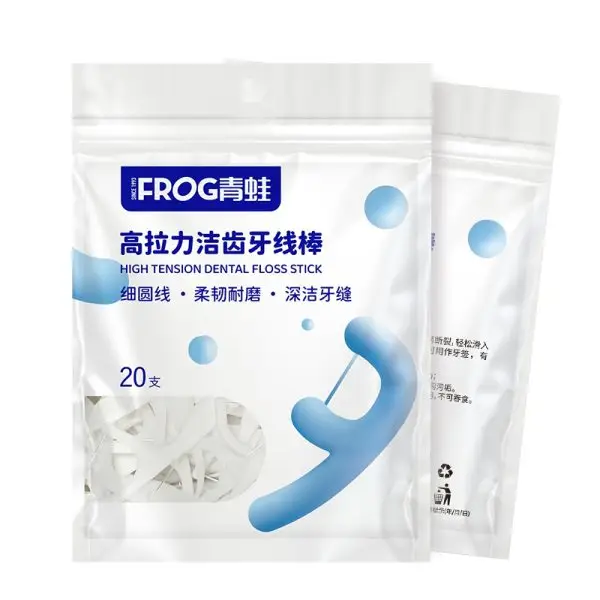
Providing consumers with highly effective tools like modern floss sticks for teeth is a foundational step. As an experienced manufacturing team at Sugere, we guide our commercial partners through these complex product choices every day. We help brands evaluate the real clinical science behind different interdental cleaning methods.
In this guide, we analyze the precise biomechanical differences between pressurized water and physical flossing. Understanding these functional mechanisms ensures your retail portfolio offers genuine clinical value to the end consumer.
The Biomechanical Nature of Dental Plaque
To evaluate which cleaning method is superior, we must first examine the biological structure of dental plaque. Plaque is not merely a collection of loose food debris sitting passively between the teeth. It is a highly organized, sticky bacterial biofilm that actively adheres to the enamel.
If plaque is not disrupted daily, the active bacteria consume sugars to produce harmful metabolic acids. These acids aggressively attack the enamel, causing progressive demineralization and eventually leading to painful cavities. Therefore, comparing traditional string with modern dental floss sticks is critical for any preventative routine.
Salivary minerals constantly interact with undisturbed plaque, causing the soft biofilm to mineralize into hardened tartar. This biological reality highlights the absolute necessity of using a tool that physically scrapes the enamel clean.
Pressurized Hydrodynamics of Water Flossers
Water flossers, or oral irrigators, utilize a pressurized, pulsating stream of targeted water to clean the mouth. This hydrodynamic action is exceptionally effective at flushing away loose food particles trapped deep between the teeth. It also provides a soothing, therapeutic massage to the gingival tissues.
However, relying solely on pressurized water has physical limitations. Pressurized water streams inherently lack the direct mechanical friction required to scrape away sticky, established bacterial biofilm. While water can rinse away loose debris, it struggles to disrupt the strongly bonded plaque matrix.
For this reason, dental professionals generally recommend water irrigators as a supportive, supplementary hygiene tool. They are highly beneficial for maintaining soft tissue health and flushing out hard-to-reach periodontal pockets. However, they should not be viewed as a standalone replacement for physical mechanical flossing.
The Mechanical Edge of Floss Picks
This biological limitation of water is exactly where physical scraping tools demonstrate their immense clinical superiority. Properly designed floss sticks for teeth provide the direct, concentrated mechanical friction needed to clean enamel surfaces. The suspended polymer fiber acts like a microscopic squeegee, physically breaking the sticky bacterial matrix.
These durable dental floss sticks feature a highly tensioned thread that remains perfectly taut. This allows the fiber to glide smoothly through tight contact points without shredding. The mechanical friction physically scrapes the tooth surface, actively lifting the plaque biofilm out completely.
Additionally, the physical architecture of a pick provides excellent leverage and control for the everyday user. The rigid handle allows individuals to easily guide the thread and apply uniform pressure against the teeth. The ergonomic design ensures a far more thorough and consistent clean for posterior molars.
Daily Compliance and Material Science
Beyond clinical efficacy, the ultimate success of any daily hygiene routine relies heavily on user compliance. Water flossers require an electrical power source, a constant water supply, and can be quite messy to operate. These requirements limit their frequency of use, particularly for busy individuals.
By comparison, pre-tensioned picks are lightweight, highly portable, and designed for ultimate daily convenience. This extreme ease of use makes floss sticks for teeth an incredibly user-friendly solution for modern lifestyles. Users can easily integrate interdental cleaning into their daily habits, drastically increasing daily compliance rates.
At Sugere, we employ advanced materials science to maximize product durability. We utilize high-tensile UHMWPE fibers to ensure our threads resist fraying in tight spaces. Our automated manufacturing lines precisely calibrate thread tension to guarantee consistent performance across every single unit.
Conclusion
In the clinical comparison between pressurized water and physical flossing, mechanical scraping remains irreplaceable for plaque removal. Pressurized irrigators are excellent for rinsing loose debris, but they cannot break down sticky bacterial biofilm. For a truly deep and effective clean, providing robust dental floss sticks is a key step.
Partnering with a scientifically focused manufacturer is essential for brands delivering exceptional oral care solutions. We combine over thirty years of industry experience with world-class production technology. Our standardized factory is equipped with intelligent production lines and operates under strict ISO9001:2015 and GMP standards.
Our dedicated R&D team continuously innovates to create safe, reliable, and highly competitive products for global markets. We are committed to helping our partners build successful product portfolios with our flexible capabilities. If you are ready to elevate your product offerings, we invite you to connect with Sugere today.