
The global oral care market is highly diverse, demanding specialized products tailored to specific anatomical needs and clinical requirements. For wholesale distributors, retail pharmacy chains, and global commercial purchasers, building a scientifically sound dental portfolio is absolutely critical.
Offering a generic, one-size-fits-all solution is no longer a viable business strategy for modern, highly educated consumers. When sourcing new products, procurement teams must prioritize clinical efficacy and physical comfort above all else.
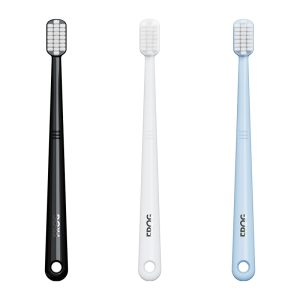
Offering high-quality extra soft toothbrushes for adults is a foundational step in meeting these specialized consumer demands. We leverage our vast experience to support your procurement strategies. As an experienced manufacturing team at Sugere, we frequently consult with our wholesale partners to optimize their global product lines.
We help them understand the complex biomechanics behind daily hygiene tools to ensure maximum market impact. In this comprehensive guide, we will analyze how gum sensitivity and mouth size dictate the precise design of adult toothbrushes.
Addressing Gum Sensitivity with Precision
Gum sensitivity is a widespread clinical issue affecting millions of consumers globally across all demographic segments. This condition is often characterized by inflamed gingival tissues that become highly reactive and bleed easily during routine brushing.
When consumers use stiff bristles, they inadvertently exacerbate this painful inflammation, leading to severe brushing aversion. To protect these highly vascular tissues, the mechanical friction applied during daily brushing must be carefully and scientifically managed.
Gingival recession is another severe consequence of using the wrong bristle hardness over extended periods. When the gums recede, they expose the highly sensitive root dentin, causing sharp pain when consuming hot or cold foods.
Providing extra soft adult toothbrushes is the most effective clinical strategy to prevent self-inflicted gingival trauma and recession. These specialized tools feature ultra-thin, highly elastic filaments that flex effortlessly against the uneven tooth surface.
This extreme flexibility allows the bristles to sweep away sticky bacterial plaque without lacerating the delicate gum line. For wholesale buyers, stocking these exceptionally gentle options is essential for building trust among consumers suffering from periodontal vulnerabilities.
Adapting to Variations in Mouth Size
Beyond the critical factor of bristle softness, the physical dimensions of the oral cavity play a massive role in overall brushing efficacy. Human jaw structures and dental arches vary significantly, meaning a standard brush head geometry will not fit every consumer comfortably.
If a brush head is excessively bulky or poorly angled, it cannot navigate the tight, restricted spaces around the posterior molars. This physical restriction leaves dangerous bacterial plaque trapped in the deepest corners of the mouth, eventually leading to severe cavities.
Properly matching the tool to the specific mouth size guarantees a superior and far more comprehensive clean. Individuals with larger dental arches require appropriately sized adult toothbrushes to clean their teeth efficiently and thoroughly without wasting time.
Conversely, users with smaller mouths or limited jaw mobility require highly compact, tapered heads that can reach the back teeth without hitting the inner cheeks. commercial purchasers must strategically diversify their wholesale inventory with varying brush head geometries to properly accommodate this vast anatomical diversity.
Evaluating Bristle Quality for Sensitive Gums
Not all “soft bristle” toothbrushes offer the same level of gentleness. For consumers with sensitive gums, the gap between a premium soft brush and a lower-quality alternative can mean the difference between soothing care and worsening tissue damage.
The first key selection factor is filament diameter and elasticity. Truly high-grade extra-soft bristles use ultra-thin fibers that flex gently without collapsing entirely during cleaning. Many budget “soft” products use thicker, stiffer filaments that lack the delicate flexibility needed to protect vulnerable gingival tissue.
End-rounding quality is another critical safety criterion. Poorly manufactured soft bristles retain sharp, jagged microscopic edges from the cutting process, causing chronic micro-abrasions even with light pressure. Buyers should confirm that products specify polished, rounded bristle tips—this is the defining feature of a truly protective soft bristle design.
Material composition also determines long-term performance. Premium soft bristles use high-grade nylon or PBT fibers that resist moisture absorption and maintain elasticity over months of use. Cheaper alternatives absorb water quickly, becoming limp and losing cleaning efficiency within weeks. For commercial purchasers, verifying material specifications ensures consistent “extra soft” performance throughout the product lifespan.
The Impact of Handle Ergonomics and Neck Angles
While the brush head directly interacts with the teeth, the handle and neck architecture dictate how effectively the user can apply brushing techniques. A straight, rigid handle often forces the user to apply excessive pressure, further aggravating existing gum sensitivity.
Ergonomically contoured handles absorb excess physical force, protecting the delicate gingival margin from aggressive brushing habits. Furthermore, an optimally angled brush neck allows the user to easily reach the lingual surfaces of the front teeth and the distant wisdom teeth.
This anatomical design is crucial for individuals with varying mouth sizes, as it provides maximum clinical reach without straining the wrist. When distributors source adult toothbrushes, analyzing the biomechanical geometry of the handle is just as important as evaluating the bristles.
Offering intelligently designed hygiene tools demonstrates a brand’s deep commitment to genuine preventative health. This scientific approach to product design is exactly what separates premium oral care brands from generic, low-performing alternatives on the retail shelf.
Conclusion
In summary, selecting the right adult toothbrush depends on four key factors tailored to individual needs: bristle softness for gum sensitivity, appropriately sized brush heads for different oral anatomy, quality bristle engineering for lasting safety, and ergonomic handle design for optimal technique.
Extra soft toothbrushes for adults protect sensitive gingival tissue, while varied head geometries ensure comfortable, thorough cleaning across mouth sizes. Premium bristle construction with polished end-rounding delivers consistent gentleness, and angled necks improve reach while reducing excessive pressure.
For commercial purchasers, curating a comprehensive portfolio addressing all these clinical and anatomical needs builds lasting brand loyalty. Connect with Sugere to discuss your manufacturing requirements today.