
Mastering the correct brushing technique is the cornerstone of long-term oral wellness. While many people brush diligently every day, they still struggle with stubborn cavities or localized gum irritation. This common paradox usually stems from improper brushing motions or applying too much pressure.
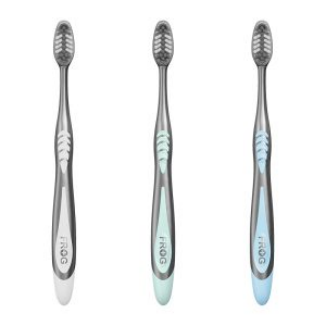
Our research into daily hygiene habits shows that even the most advanced adult toothbrushes deliver only as much benefit as the person using them. To help you get the most out of your daily routine, this guide explores professional, scientifically validated methods to protect your gums and enamel.
The Modified Bass Technique
Widely recognized as the clinical gold standard, the Modified Bass Technique targets the delicate gap where the gum meets the tooth. This narrow zone is a primary hotspot for bacterial buildup and a leading cause of gum disease.
To perform this method correctly, angle the bristles at 45 degrees toward the gumline. Use short, controlled, vibratory movements to loosen plaque deposits.
Unlike harsh scrubbing, this precise motion cleans beneath the gingival margin without irritating the soft tissue barrier. Finish with a deliberate rolling stroke away from the gums to sweep away loosened debris—focus on methodical removal, not heavy friction.
Managing Pressure to Preserve Enamel
Refining your brushing motion is essential, but pairing those movements with the right amount of pressure is what truly protects your dental structure. A common myth equates harder scrubbing with cleaner teeth. In reality, excessive force gradually wears down the protective outer layer, exposes the underlying dentin, and speeds up gum recession.
Reducing this risk starts with how you hold the brush: grip the handle lightly and relax your hand, much like holding a pencil. A tight, full-fisted grip almost always leads to overexertion.
Switching to high-quality adult toothbrushes with softer bristles adds an engineered buffer against abrasion. These flexible filaments yield under heavy pressure, acting as a built-in safety net for anyone who tends to brush too aggressively.
Adapting Angles for Front Teeth
The mouths complex shape means different areas need different approaches—especially the narrow, curved surfaces behind the front teeth. Because these spots sit directly across from salivary gland ducts, they are highly prone to rapid tartar buildup and are often missed during standard gumline cleaning.
Reaching these hard-to-access gaps effectively means turning the brush vertically. Use just the front tip—often called the “toe” of the brush head—with gentle up-and-down strokes to let the bristles work their way into tight spaces. This simple ergonomic adjustment ensures that even the most deeply recessed curves get a thorough clean.
Systematic Quadrant Navigation
Even the best technique falls short if you rush or skip sections. Dental professionals universally recommend a systematic approach: mentally divide your mouth into four distinct quadrants—upper right, upper left, lower right, and lower left.
Spend at least 30 seconds on each section to hit the clinically recommended two-minute total. Stay mindful of how your teeth feel as you go; they should noticeably smoother by the end. Pay extra attention to the back molars, where neglected biofilm quickly hardens into tartar if left undisturbed.
The Importance of Tongue Cleaning
Thorough oral hygiene goes well beyond just cleaning tooth surfaces. The tongues textured surface acts as a natural reservoir, constantly trapping tiny food particles, dead cells, and odor-causing bacteria.
Leaving this residue untouched not only fuels persistent bad breath but also lets bacteria spread back onto freshly brushed teeth. Taking a few extra seconds to gently sweep the tongue from back to front drastically cuts down the overall microbial load. Adding this simple step turns a basic routine into a complete, full-mouth care regimen.
Maximizing Toothpaste Efficacy: Spit, Do Not Rinse
What you do right after brushing determines how well the protective ingredients actually work. While most people instinctively rinse thoroughly with water immediately after brushing, clinical evidence strongly advises against this counterproductive habit.
Rinsing right away flushes away active fluoride, essential minerals, and soothing herbal extracts before they can fully integrate into the tooth structure.
Instead, simply spit out the excess foam and wait about twenty minutes before drinking or eating. Leaving that thin layer of residue gives the active ingredients time to remineralize enamel and strengthen its defenses against daily acid attacks from food and drinks.
Maintaining Tool Efficacy
In the end, a great hygiene routine depends heavily on the condition of the brush itself. Daily friction gradually causes nylon bristles to splay, lose their engineered shape, and fail to maintain the crucial 45-degree angle needed for deep cleaning. What is more, worn filaments can develop sharp, jagged microscopic edges that irritate sensitive gums.
Sticking to a strict replacement cycle—usually every three months, or right after recovering from a respiratory infection—keeps the tool performing exactly as intended. Regular replacement is one of the simplest, most practical preventive steps you can take.
Conclusion
Improving your daily oral wellness means moving away from aggressive scrubbing and toward mindful, biomechanically sound techniques. By combining precise angles, controlled force, and systematic coverage, you can actively preserve your natural dental structure and support your overall health.
Delivering these clinical benefits consistently requires tools manufactured to the highest global industry standards. As a dedicated partner in the oral care sector, Sugere provides comprehensive OBM, OEM, and ODM services tailored for global clients.
Backed by advanced manufacturing capabilities and a commitment to quality, we invite brands and distributors to leverage our customized solutions and deliver exceptional oral care experiences to consumers worldwide.