
The pediatric oral care market is highly specialized, demanding scientifically backed product choices from retail brands and wholesale distributors. When curating a product portfolio for young children, one of the most critical decisions is determining the correct bristle hardness.
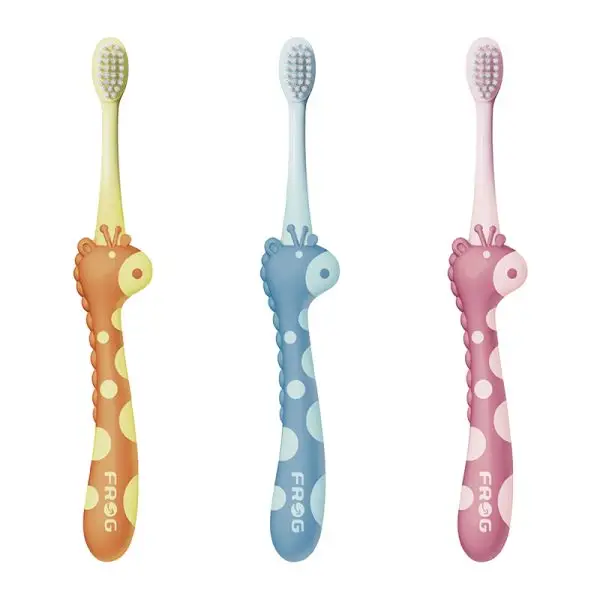
As a leading formulation and manufacturing team at Sugere, we frequently advise our commercial partners on the nuanced clinical differences between soft and extra soft bristles. Understanding these biomechanical distinctions is essential before committing to any large-scale procurement strategy.
When distributors source bulk kids toothbrushes, they must ensure the products cater exactly to the physiological needs of the target age group. A scientifically accurate product not only protects the end consumer but also significantly boosts brand loyalty and market retention.
In this comprehensive guide, we will analyze the functional differences between bristle types and explain how precision engineering guarantees pediatric safety.
Understanding Toddler Oral Anatomy
To make an informed manufacturing or purchasing decision, one must first understand the unique biomechanics of a toddler’s mouth. Primary teeth, while temporary, play a vital role in speech development and maintain the necessary spacing for future permanent teeth.
However, the enamel protecting these baby teeth is significantly thinner and structurally less mineralized than adult enamel. Furthermore, a toddler’s gingival tissue is incredibly delicate, highly vascular, and prone to severe inflammation, especially during the active teething phase.
Using bristles that are too stiff can easily cause microscopic abrasions to the vulnerable enamel and painful micro-tears along the gum line. This physiological reality makes the deliberate choice between soft and extra soft bristles a crucial factor in successful pediatric product design.
The Necessity of Extra Soft Bristles
For infants and early toddlers—typically ranging from six months to two years old—extra soft bristles are absolutely mandatory. During this early developmental stage, the primary focus is gently introducing the child to a daily oral hygiene routine without causing discomfort.
Extra soft bristles, which usually feature an ultra-thin filament diameter, flex with minimal physical pressure against the teeth. This extreme flexibility provides a soothing, massage-like sensation on sore, erupting gums rather than an abrasive scrubbing action.
This gentle interaction is critical for preventing brushing aversion, ensuring the child develops a positive psychological association with daily dental care. When procuring specialized bulk kids toothbrushes for this specific age bracket, prioritizing extra soft filaments guarantees the safest possible introduction to oral hygiene.
The Case for Standard Soft Bristles
As toddlers transition into their active preschool years, their dietary habits change significantly, and their primary dentition becomes fully established. At this stage, typically around ages three to five, plaque accumulation naturally increases due to the introduction of more complex, solid foods.
While extra soft baby toothbrushes are excellent for massaging sensitive gums, they may lack the structural rigidity needed to sweep away sticky food debris efficiently. This is precisely where standard soft bristles become the optimal clinical choice for growing toddlers.
They provide the perfect biomechanical balance: firm enough to dislodge stubborn bacterial plaque, yet flexible enough to prevent enamel wear. For commercial purchasers, offering this specific variant ensures you meet the evolving clinical needs of children as their diets mature.
Developmental Transitioning and Hardness Selection
Selecting the correct bristle hardness is fundamentally a developmental process rather than a static choice. As children mature from passive recipients of care—where parents perform all the cleaning—to active participants in their hygiene, their needs change. Extra soft filaments are designed specifically for this initial passive phase, focusing purely on tissue safety during the first fragile years of life.
As toddlers enter the “active phase” and begin to hold the brush themselves, their brushing technique is often forceful and unrefined. They may bite, chew, or scrub aggressively, testing the structural integrity of the brush head. This behavioral shift necessitates a carefully measured hardness that can withstand these mechanical stresses without sacrificing the safety of their delicate gingiva.
For wholesale distributors, it is therefore crucial to offer a graded hardness strategy within your product catalog. Providing a clear distinction between “Infant Extra-Soft” and “Toddler Soft” allows parents to seamlessly transition their child’s routine. This strategic approach ensures that as the child grows, the tools provided effectively match both their physical dental development and their behavioral maturity.
Precision Engineering and End-Rounding
Regardless of whether a wholesale brand opts for soft or extra soft variants, the manufacturing execution determines the ultimate safety of the product. The most critical engineering process in pediatric bristle manufacturing is microscopic end-rounding.
When nylon filaments are cut during mass production, they leave sharp, jagged edges that can severely damage pediatric gum tissue if left untreated. To prevent this, professional manufacturers polish these freshly cut tips into perfectly smooth, microscopic domes.
At Sugere, our dedicated quality control team uses advanced detection devices to verify the end-rounding ratio and tuft retention strength of every single batch. This relentless focus on scientific precision ensures that every brush performs flawlessly, protecting young consumers from accidental brushing injuries.
Conclusion
Selecting the optimal bristle hardness is a fundamental requirement for building a safe and commercially successful pediatric oral care line. Extra soft bristles provide essential comfort for erupting gums, while standard soft variants offer superior plaque removal for older toddlers.
Parents are highly educated consumers who actively seek out specific bristle types corresponding to their child’s exact developmental stage. By offering a comprehensive portfolio that includes both options, retail brands can retain customer loyalty from infancy right through to early childhood.
Managing this complex product matrix requires aligning with a technologically advanced manufacturing partner capable of precise, large-scale execution. We leverage our extensive market expertise and scientific precision to help wholesale clients create reliable, high-performance product portfolios.
If you are ready to strategically elevate your pediatric offerings, we invite you to explore our advanced baby toothbrushes manufacturing capabilities today.