
You should replace your manual toothbrush every three to four months. This 12-to-16-week timeline is the definitive standard set by the American Dental Association (ADA) and dental professionals worldwide.
But instead of counting the days, there are signs will tell you when to replace your toothbrush, keep rolling! This blog will give you some hints.
What Are the 3 Signs of “Invisible Wear” on a Manual Toothbrush?
Beyond the standard three-month calendar rule, you must replace your toothbrush immediately if you experience post-illness virus exposure, visible bristle splaying, or trapped bacterial odors.
These three triggers compromise your oral hygiene and render the toothbrush completely ineffective before the 90-day mark.
The Post-Illness Reset
💡 Clinical Insight
Bathroom environments tend to be moist, which is a perfect breeding ground for microbes. Clinical data shows that cold and flu viruses can survive on toothbrush bristles for up to 72 hours. If you contract strep throat, you must replace your brush exactly 24 hours after starting antibiotics. Continuing to use the same brush risks immediate reinfection.

Source: Verywell. “Causes of Strep Throat and How to Recognize It”
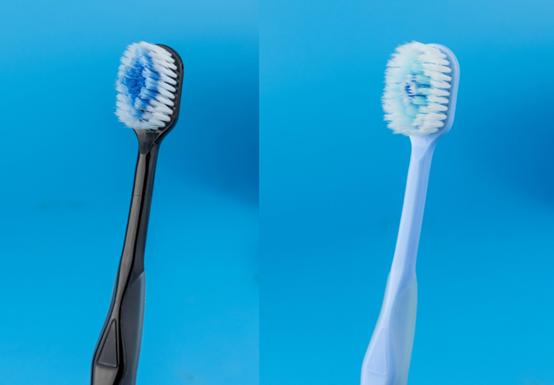
Bristle Splaying and Plaque Drop-Off
A high-quality toothbrush relies on perfectly upright bristles to sweep away debris. When bristles bend, fray, or “splay,” the cleaning angle changes drastically. This structural failure causes plaque removal to drop by over 30%.
More concerningly, frayed bristles perform abrasive movements against your teeth. Using a soft bristle toothbrush for receding gums only works if the bristles remain upright; once frayed, they can actively damage the gum line.
Bacterial Load and Forum Myths
A common question on dental forums is: “My brush looks fine after a year, can I just sanitize it?” The answer is no.
Standard rinsing or soaking in mouthwash does not eradicate the deep bacterial load that builds up at the base of the bristles over 12 weeks. Micro-abrasions in the plastic handle and tuft holes trap bacteria that cannot be boiled or microwaved away without melting the brush.
How to Sanitize Toothbrush
You should never boil, microwave, or run a manual toothbrush through a dishwasher. High heat irreparably destroys the structural memory of polymer bristles and releases harmful microplastics.
The most effective way to maintain a sanitary brush is through thorough cold-water rinsing, upright air-drying, and relying on advanced anchor-free manufacturing designs that prevent bacterial buildup.
How Does a Manufacturer Perfect the Toothbrush Lifecycle?
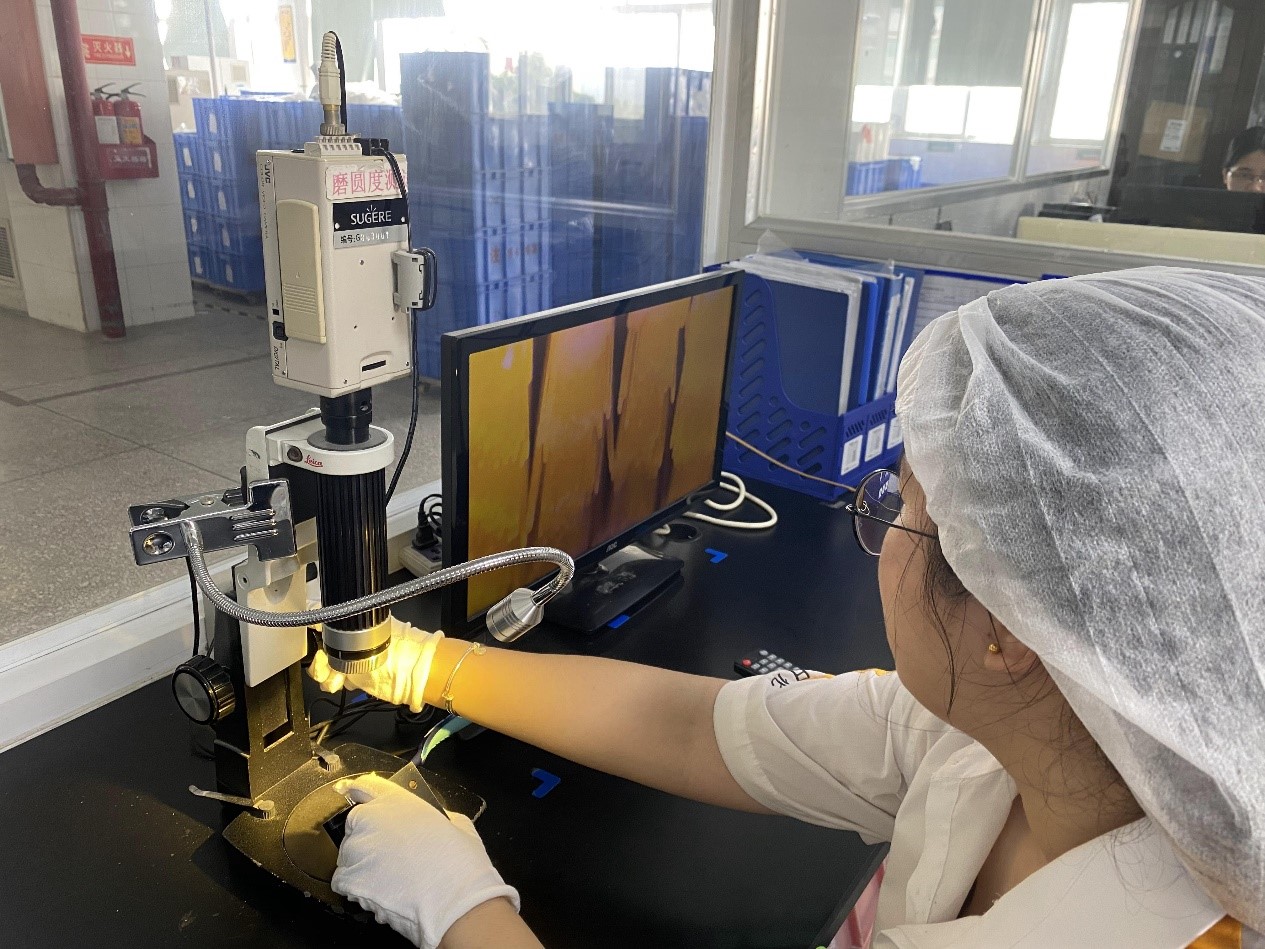
Professional B2B manufacturers like Sugere engineer toothbrushes using advanced tufting technology and premium memory-retaining filaments (like Nylon 610/612) to ensure the product performs optimally for the full three-month lifecycle.
The goal is to delay bristle splaying and prevent early bacterial trapping.
Material Selection
The lifespan of a toothbrush is dictated by its raw materials. At Sugere, we utilize industry-leading Nylon 610, Nylon 612, and PBT (Polybutylene Terephthalate) bristles.
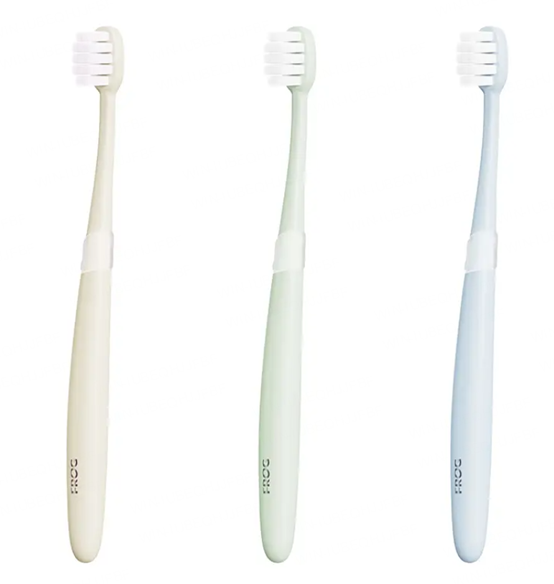
These materials are chosen specifically for their low water absorption and high bend-recovery rates (structural memory).
It is especially critical when manufacturing a soft bristle toothbrush for sensitive teeth or a compact head toothbrush, where the finer, softer filaments are more susceptible to early degradation if poor-quality nylon is used.
Tufting Technology and Hygiene
The way bristles are inserted into the brush head directly impacts how much bacteria the brush traps.
- High-Density Tufting: Packing more bristles into each hole increases the sweeping surface area and distributes brushing pressure, which delays fraying.
- Anchor-Free Technology: Traditional brushes use tiny metal anchors to hold bristles in place, leaving microscopic gaps where water and bacteria pool. Advanced anchor-free tufting fuses the bristles directly to the head, eliminating these gaps and significantly reducing the bacterial load over the 3-month cycle.
To view how these engineering standards are applied across different brush profiles, click and explore our bulk and OEM manufacturing capabilities.
Strict Compliance for Oral Health
Replacing your toothbrush every three months is a non-negotiable requirement for proper dental care. Relying on premium-manufactured brushes ensures that your enamel remains protected and your plaque removal stays efficient throughout the entire lifecycle.
Monitoring your toothbrush for splayed bristles, post-illness contamination, and the 90-day time limit is the most cost-effective way to prevent cavities and gum disease.
For procurement managers, dental clinics, and retail buyers, sourcing toothbrushes built with high-recovery PBT or Nylon filaments ensures your end-users receive a product capable of meeting these clinical standards.
If you are looking for a reliable OEM/ODM partner to manufacture clinically compliant, high-durability toothbrushes at scale, contact the Sugere team today to discuss your customized oral care solutions. To get more info about our product portfolio, you can click here: [2026] Sugere Oral Care Products Overview
Reference
- Cleveland Clinic. “Strep Throat”
- Kreifeldt JG, Hill PH, Calisti LJ. A systematic study of the plaque removal efficiency of worn toothbrushes. J Dent Res. 1980 Dec;59(12):2047-55. https://pubmed.ncbi.nlm.nih.gov/6941992/
- Kaneyasu Y, Shigeishi H, Ohta K, Sugiyama M. Changes in the Bristle Stiffness of Polybutylene Terephthalate Manual Toothbrushes over 3 Months: A Randomized Controlled Trial. Materials (Basel). 2020 Jun 22. https://pmc.ncbi.nlm.nih.gov/articles/PMC7344766/