
The whitening segment of the oral care market is highly lucrative. However, it is also crowded with consumer misunderstandings. For private label brands and distributors, clearly defining product efficacy is essential. This requires a strong partnership with a toothpaste manufacturer capable of transparent formulation and precise execution.
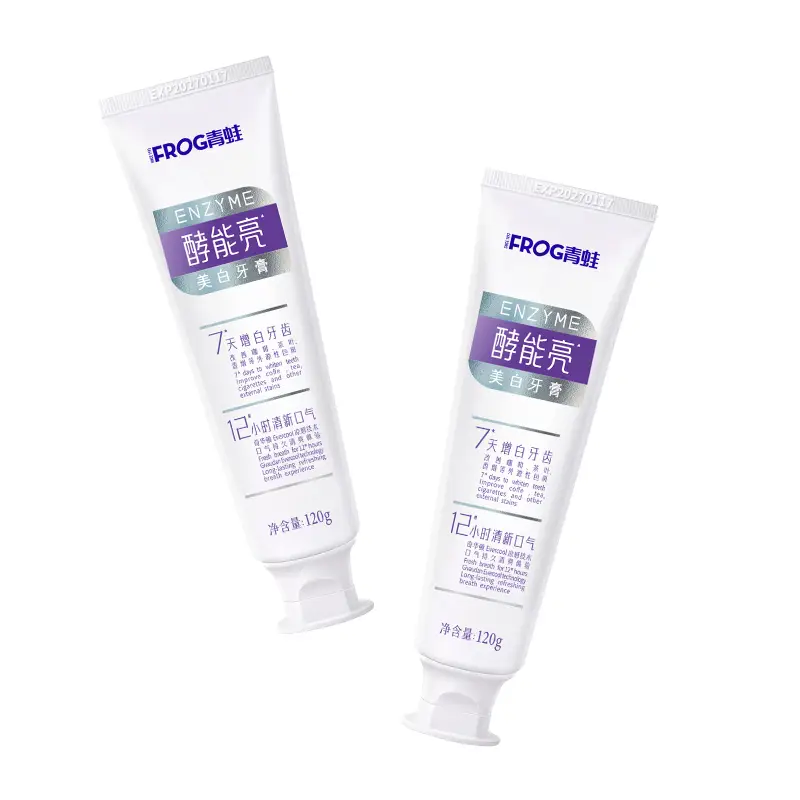
This report addresses the most prevalent consumer misconceptions about whitening toothpaste. It separates marketing myth from scientific fact. We detail the mechanical and chemical limits of these formulations. This knowledge ensures your brand makes accurate claims and delivers predictable results.
Misconception 1: Whitening Toothpaste Delivers Professional Bleaching Results
This is the most common consumer expectation failure. Whitening toothpastes do not contain the high concentrations of peroxide used in professional dental treatments. They work differently.
Understanding Efficacy: Abrasive vs. Chemical Action
Whitening is achieved through two methods:
Mechanical Abrasion: This is the most common mechanism. Toothpastes contain mild abrasives like hydrated silica or dicalcium phosphate. These compounds polish the enamel surface. They physically scrub away extrinsic stains caused by coffee, tea, wine, and tobacco.
Chemical Action (Mild): Some advanced formulas include low concentrations of chemical agents. These are typically hydrogen peroxide or carbamide peroxide. These agents penetrate the outer enamel layer. They begin to break down the discolored molecules. However, the contact time during a two-minute brushing routine is minimal.
The Fact: Whitening toothpaste is excellent for surface stain removal and maintenance. It cannot change the intrinsic, natural color of a tooth. It also cannot remove deep, decades-old stains. Brands must understand this distinction to set realistic consumer expectations.
Misconception 2: Harder Scrubbing Means Whiter Teeth
Consumers often link powerful cleaning with aggressive brushing. They believe using more abrasive paste or brushing harder will speed up whitening. This is incorrect and potentially harmful.
RDA Value Control: Every toothpaste manufacturer must rigorously control the Relative Dentin Abrasivity (RDA) value. An effective formula balances stain removal with enamel safety. Excessive abrasion does not accelerate whitening. Instead, it leads to two negative outcomes:
Enamel Erosion: Over-abrasion wears down the protective enamel layer. This exposes the underlying yellow dentin. The teeth actually appear more yellow over time.
Increased Sensitivity: Enamel wear leads directly to tooth sensitivity. This undermines the goal of a healthier, whiter smile.
The Fact: The proper RDA level is critical. As a brand owner, you need a manufacturing partner who can formulate within a narrow, safe range. Sugere leverages strong R&D to ensure the right blend of abrasives for targeted, safe stain removal.
Misconception 3: Natural Ingredients are Equally Effective
The market is seeing a surge in natural and DIY whitening trends. These often feature ingredients like activated charcoal or lemon juice. While appealing to consumers, these ingredients pose significant formulation and safety challenges.
Activated Charcoal: This is highly porous. It can absorb surface stains. However, its particle hardness and size are often inconsistent. This makes it difficult to control the RDA value. Poorly milled charcoal can be too abrasive. It can scratch and dull the enamel rather than polish it.
Acids (e.g., Lemon Juice): Acids erode enamel. They remove a layer of the tooth structure. This gives a temporary illusion of brightness but causes permanent damage. Reputable manufacturing partners avoid such corrosive agents.
The Fact: Efficacy and safety must be scientifically proven. A reliable toothpaste manufacturer will provide stable formulations. These formulas use regulated, scientifically-backed ingredients. They avoid trendy, inconsistent, or destructive natural components.
Partnership for Efficacy: The Advantage of Sugere Toothpaste Wholesale
For distributors and retailers, efficiency and supply chain stability are paramount. When ordering toothpaste wholesale, you need high-volume production backed by certified quality control.
Sugere offers comprehensive OEM/ODM solutions. We eliminate the guesswork in formulation. Our B2B services focus on delivering consistency that supports your brand claims.
Quality and Compliance for Global Markets
Sugere understands that quality assurance is your strongest sales tool. Our facilities adhere to numerous international standards, ensuring your product is compliant and effective wherever you sell it:
|
Certification/Standard |
Focus Area |
Brand Assurance |
|
ISO 14001 |
Environmental Management System |
Confirms commitment to minimizing environmental impact and sustainability. |
|
820 GMP |
FDA Quality System Regulation |
Ensures quality controls meet stringent US medical device standards. |
|
BRC Global Standard |
Food Safety and Quality |
Validates supply chain safety and quality for ingestible or edible products. |
|
GMPC |
Cosmetic Good Manufacturing Practices |
Guarantees compliance with US/International safety and quality standards for cosmetics. |
|
ISO 22716 |
Cosmetics GMP |
Assures adherence to international best practices for cosmetic product quality. |
We manage the complexity of ingredient sourcing and stability testing. This allows your brand to focus solely on market strategy and retail success.
Conclusion
Success in the whitening segment depends on managing consumer expectations with accurate product capabilities. Whitening toothpaste is a powerful tool for maintenance and extrinsic stain removal, not a replacement for clinical bleaching. Partnering with Sugere ensures that your wholesale products are manufactured with the precision necessary to meet compliance standards and deliver consistent, scientifically sound results.
Contact Sugere today. Let us transform your whitening strategy into a successful, trustworthy product line.